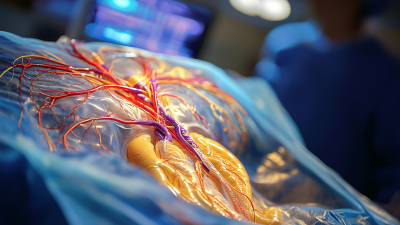
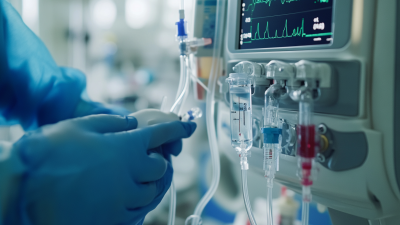
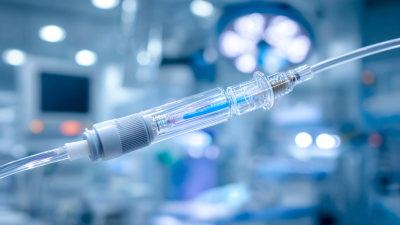
In today's fast-changing world of healthcare, keeping patients safe is more important than ever for doctors and medical teams. At Tianck Medical Co., Ltd., we’re really passionate about pushing this goal forward with our innovative products — especially our cutting-edge Renal Access Kits. These kits are carefully designed to handle the tricky specifics of kidney surgeries, helping to cut down risks and improve results for patients. By blending the latest tech with practical, user-friendly design, our Renal Access Kits don’t just make surgeries smoother — they also give clinicians the confidence they need to provide top-notch care.
In this blog, we’ll share some solid strategies and helpful tips to show how our Renal Access Kits really make a difference in patient safety — making sure healthcare providers have the best tools at their fingertips for success.
Understanding Renal Access Kits: A Key Component for Patient Safety
Getting a good grasp on renal access kits is actually pretty important if we want to keep patients safe in healthcare settings. These kits are specially designed to make procedures like dialysis and other kidney-related interventions run smoother. They give healthcare workers the right tools to lower risks and improve outcomes. When you combine cutting-edge tech with the best practices, renal access kits help clinicians perform these procedures more efficiently and safely — which is especially crucial when patients are more vulnerable.

The stuff inside these kits really matters when it comes to preventing complications during renal access procedures. Usually, you'll find things like sterile drapes, needles, guidewires, and catheters — all carefully picked to do their job well and keep things safe. Plus, focusing on sterility and making sure everything is easy to handle helps cut down on infections and mistakes during the procedure. As healthcare pros keep putting patient safety first, using comprehensive renal access kits is a smart move — it’s a proactive way to make sure procedures aren’t just successful but also done with the patient’s well-being top of mind.
The Importance of Sterility in Renal Access Procedures
When it comes to renal access procedures, keeping things sterile isn't just important, it’s essential. These procedures are often invasive, which means there's always a risk of infection lurking around. That's why using renal access kits designed with sterility in mind can really make a difference — it helps cut down on complications and keeps patients safer overall. These kits are carefully put together, with sterile parts that help create a clean environment during the procedure. In the end, it’s all about protecting both the patient and the healthcare team.
Staying sterile is about more than just one procedure — it influences how patients feel and their overall health outcomes. By relying on thorough, clean solutions, healthcare facilities can build a culture centered on safety and trust. When medical staff are properly trained to use these sterile kits, they tend to perform their work more confidently. Plus, it reassures patients—they can see that their safety really is the top priority. As medicine advances, the development of these sterile renal access kits shows how dedicated the medical community is to improving patient care through strict safety measures.
Step-by-Step Guide to Using Renal Access Kits Effectively
Renal access kits are pretty important tools to help keep patients safer during procedures like percutaneous nephrolithotomy (PCNL). Using these kits step-by-step really helps reduce some of the risks involved with gaining access to the kidney. When choosing how to approach—whether sticking with the standard method or going for a transcaval route—it’s key to plan everything carefully and get it right. Plus, with all the recent tech innovations, like robotic-assisted systems, surgeons can actually see real-time images of the puncture, tract dilation, and sheath insertion. This makes the whole process more controlled and precise, which is a big win.
Getting the most out of renal access kits really starts with good pre-op planning. That means doing thorough imaging to pick the best spot. During the procedure, it’s super important to handle tissues gently and, if possible, use soft thermal sensors to keep an eye on blood flow in the vessels. Also, we need to be extra cautious about avoiding complications, like injuring the colon, especially in patients whose anatomy isn’t typical. By following these principles and using the kits wisely, healthcare providers can really improve both safety and outcomes for their patients.
Common Challenges in Renal Access and How to Overcome Them
Renal access procedures can be pretty tricky, and healthcare pros have to tackle a bunch of challenges to keep patients safe and ensure everything goes smoothly. One of the biggest hurdles is figuring out the best spot to access, which isn’t always straightforward. Sometimes, this means multiple poke attempts, and nobody likes that — it can really make patients uncomfortable. To make things easier, using advanced imaging tools like ultrasound guidance can be a game-changer. With real-time views of the blood vessels, doctors can place the needle more accurately, cutting down on complications and making the whole process smoother.
Another common issue is the risk of infections, especially if patients need repeated access. To fight this, it's super important to use complete renal access kits that come with sterile, single-use tools. These kits not only help make the procedure more efficient by having everything you need in one package but also boost adherence to strict sterile techniques, which helps keep infection numbers low. Plus, keeping staff up-to-date with regular training and updates on best practices really pays off — it boosts how skilled the team is and, in turn, benefits patient outcomes all around.
Innovations in Renal Access Kits for Improved Patient Outcomes
When it comes to renal access, the newer renal access kits keep getting better and better, bringing some pretty exciting innovations that really aim to improve patient outcomes. I came across a study from the National Kidney Foundation, and it mentioned that using optimized techniques can cut down the risk of complications by up to 25%. That's a big deal! These advances don’t just make the procedures safer—they also help healthcare providers work more smoothly. Nowadays, modern kits often include high-tech imaging tools and smarter catheter designs, which means fewer infections and a more comfortable experience for patients during their procedures.
If you're thinking about trying out new renal access kits, there are a few important things to keep in mind. First off, going for kits with antimicrobial coatings can really lower the chances of infections linked to catheters. It’s also super helpful if the kits come with detailed training materials—these can keep the medical team up-to-date with the latest techniques and best practices. And don’t forget, regularly checking out complication rates from different kits can give you some valuable insights, helping to spot patterns and improve overall patient care.
The healthcare world keeps changing, so staying in the loop about these innovations is a must. By making the most of advanced renal access kits, we’re not just improving safety and efficiency—we’re also giving patients suffering from kidney issues a better shot at positive outcomes. It’s all about working smarter and caring better.
Training and Education: Ensuring Safe Use of Renal Access Kits
When it comes to kidney care, the importance of training and education really can't be overstated. Giving healthcare providers the right knowledge and hands-on skills makes a huge difference in reducing complications during procedures. Plus, with the rise of new online tools—like the latest peritoneal dialysis simulators—patients and their families can get a better grasp of what their treatment involves. These resources help clear up a lot of confusion and boost confidence, which in turn encourages a more collaborative and friendly healthcare environment.
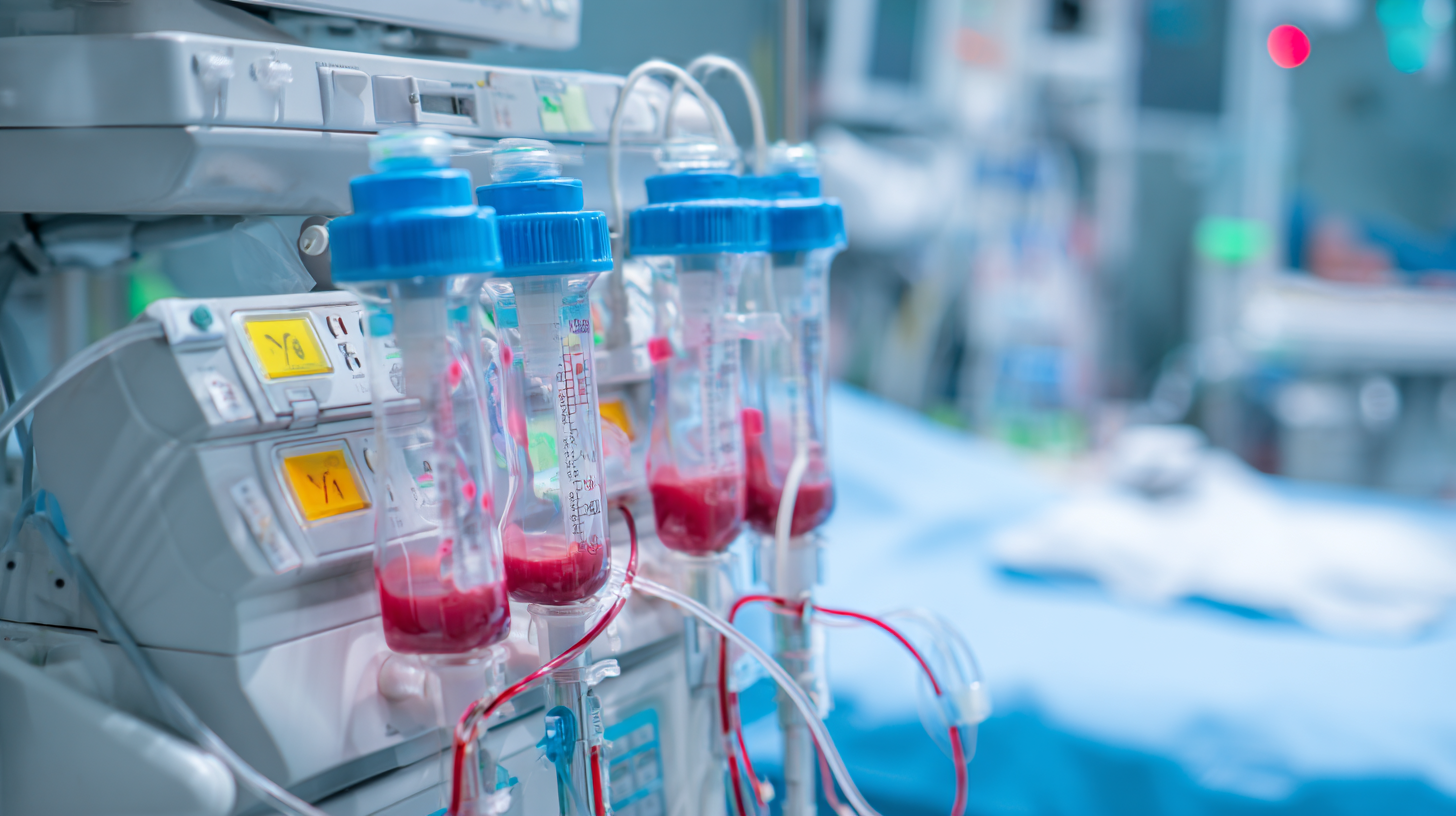
On top of that, advanced tech like federated learning is starting to play a role in patient monitoring. It’s pretty cool because it improves safety without sacrificing privacy. Basically, it allows healthcare teams to access real-time data securely, respecting patients’ confidentiality at the same time. By weaving these kinds of innovative approaches into our training programs, we’re fostering a culture of ongoing learning and growth. The end goal? Better safety standards and more efficient, patient-centered care in renal treatments.
Maximizing Efficiency and Safety in Urological Procedures with Ureteral Access Sheaths
In the field of urology, the use of Ureteral Access Sheaths (UAS) has become a critical component in enhancing the safety and efficacy of various minimally invasive procedures. Ureteral Access Sheaths are flexible tubes designed to provide a stable access route for ureteroscopes, facilitating procedures such as stone removal, tumor biopsies, and treatment of strictures. A recent report highlighted that the incorporation of UASs in endourological procedures significantly enhances patient safety by reducing the risk of ureteral trauma, a common concern during instrument insertion.
According to industry studies, using Ureteral Access Sheaths can increase procedural efficiency by up to 30%, allowing for faster access and reduced operative times. This improved efficiency not only benefits the surgical team by reducing strain during complex procedures but also minimizes anesthesia time for patients, ultimately leading to shorter recovery periods. Furthermore, a comparative analysis of outcomes shows that the implementation of UASs correlates with higher success rates in stone fragmentation and extraction, proving invaluable for urologists aiming to achieve optimal results in their practice.
The advancements in Ureteral Access Sheaths also reflect the ongoing innovation in urology, where technologies are being designed to address specific surgical challenges. The integration of features such as hydrophilic coatings has been shown to enhance maneuverability and reduce friction, further improving the user experience during procedures. As the field continues to evolve, the importance of adopting such devices in routine practice cannot be overstated, underscoring the commitment to maximizing both efficiency and patient safety in urological care.
FAQS
: Renal access kits are designed to streamline procedures such as dialysis and renal interventions, providing healthcare professionals with necessary tools to minimize risks and enhance patient outcomes.
Sterility is crucial in renal access procedures to reduce the risk of infection and complications, as these procedures often involve invasive techniques.
A renal access kit typically includes sterile drapes, needles, guidewires, and catheters, all selected for optimal performance and safety.
Renal access kits enhance patient safety by ensuring that procedures are performed with sterile components, thereby minimizing the risk of infection and procedural errors.
Training is essential to equip healthcare providers with the knowledge and practical skills necessary to use renal access kits safely, thus reducing complications during procedures.
Technologies like federated learning can enhance safety measures by allowing secure data utilization for real-time insights, while respecting patient confidentiality.
Proper training for medical personnel instills trust in patients, who feel assured that their safety is a top priority during procedures.
By employing comprehensive solutions that prioritize cleanliness, renal access kits help healthcare facilities foster a culture of safety, enhancing the overall patient experience and health outcomes.
Innovative tools such as peritoneal dialysis simulators are available to empower patients and families, helping them understand their treatment options better.
The evolution of renal access kits reflects a commitment to enhancing patient care through stringent safety measures and the incorporation of best practices in the medical community.